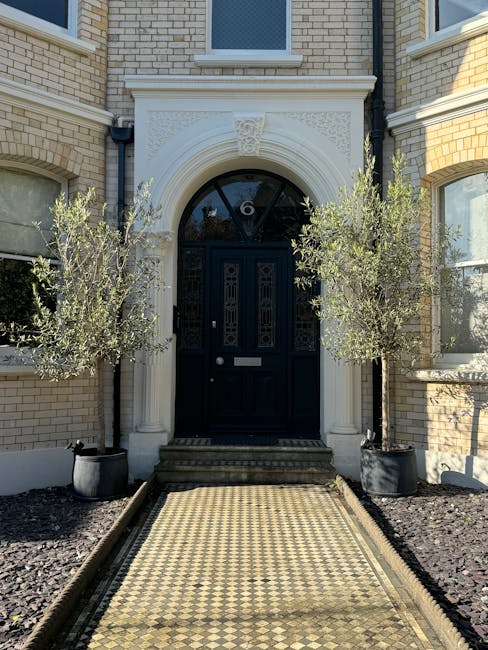
Hanworth Road front garden makeover by local gardeners

If your front garden on Hanworth Road has become a bit tired, uneven, or simply hard to manage, you are not alone. Many homeowners want a smarter, cleaner entrance without turning it into a high-maintenance project that eats up every weekend. A Hanworth Road front garden makeover by local gardeners is often the sweet spot: practical, tidy, and tailored to the way local homes actually get used.
In this guide, we'll walk through how a front garden transformation usually works, what makes it worthwhile, the design choices that matter most, and the common mistakes that trip people up. We'll also look at low-maintenance planting, privacy, curb appeal, safety, and a realistic step-by-step approach. If you're comparing options, there's a comparison table too. Nothing fancy for the sake of it - just useful, local-minded advice that helps you decide what to do next.
Why Hanworth Road front garden makeover by local gardeners Matters
A front garden does more than sit in front of the house. It shapes first impressions, affects how safe and welcoming the entrance feels, and can make day-to-day life easier if it is planned well. On a busy residential road, that matters. You notice it every time you step outside, bring in shopping, open the blinds in the morning, or try to park a bike without clipping a stray shrub.
Local gardeners bring a practical advantage here. They understand the usual conditions that affect gardens in this part of London: patchy soil, a mix of sun and shade, wind tunnel effects between houses, and the reality that front gardens often need to look tidy all year round. A good makeover does not just make the space prettier. It makes it work harder.
There is also a resale angle, though it should not be the only reason. A neat, balanced frontage can help a property feel cared for before anyone steps through the door. Not in a flashy way. More in the quiet, trustworthy way that says, "This home has been looked after." That kind of impression carries weight.
And then there is the emotional side. A front garden can become a small, pleasant transition between the street and the house. A border with structure, a tidy path, a hedge that softens the view, maybe a pot or two by the door. Small things, but they change the feel of coming home.
How Hanworth Road front garden makeover by local gardeners Works
A proper front garden makeover is usually part design exercise, part tidy-up, part practical problem-solving. The best local gardeners do not start by selling plants. They start by looking at what is already there and asking how the space should function.
Typically, the process begins with a site visit or an initial discussion. The gardener will look at the space, check access, note drainage issues, assess the condition of the lawn or paving, and identify what is causing the garden to feel cluttered or difficult to maintain. That might be too much lawn, overgrown shrubs, weeds pushing through edges, or a layout that fights the natural shape of the house.
After that comes the plan. This is where the front garden is shaped around real use. For example:
- A small frontage may need a simple, low-maintenance scheme with clean edging and evergreen structure.
- A wider plot might benefit from layered planting, a defined path, and a stronger boundary treatment.
- If privacy is the issue, hedging and screening might be prioritised over decorative beds.
- If the frontage is mostly bare hardstanding, the makeover may focus on softening the space with planting and better proportions.
Once the layout is agreed, the practical work starts. That often includes clearing weeds, removing dead growth, reshaping beds, improving soil, installing edging, trimming hedges, and planting selections that can cope with local conditions. In many cases, the gardener will also suggest maintenance after the main work so the design stays sharp instead of sliding back into a bit of a mess by autumn. Happens fast, honestly.
If the project is more ambitious, local gardeners may coordinate related services such as landscaping, fencing, or patio cleaning where those elements affect the final appearance. The point is not to overbuild the front garden. It is to make every visible element pull in the same direction.
Key Benefits and Practical Advantages
A front garden makeover is one of those jobs where the benefits show up quickly. You do not have to wait months to feel the difference.
- Better curb appeal: A balanced layout and clean planting instantly make the property feel more finished.
- Lower maintenance: The right plant choices reduce regular pruning, watering, and weeding.
- Improved privacy: Strategic hedging or screening helps reduce that exposed feeling many front gardens have.
- More usable space: A good design makes paths, borders, and entrance areas easier to move through.
- Better drainage and soil health: Small changes to levels and materials can stop puddling and tired-looking beds.
- Stronger seasonal interest: With the right mix of evergreen structure and flowering plants, the space does not disappear in winter.
There is also a quieter benefit: less mental clutter. A neglected front garden can be oddly draining. You see it every day. It nags a bit. By contrast, a neat entrance can make the whole house feel calmer. That might sound small, but let's be honest, those small things add up.
For homeowners who like practical advice, it helps to think in terms of return on effort. A front garden usually has a limited footprint, so every improvement is visible. A clean edge, a smart hedge line, a drought-tolerant bed, a few repeat plants. Done well, the result looks more expensive than it was to create.
Who This Is For and When It Makes Sense
This kind of makeover suits a wide range of homes and situations. Truth be told, it is not just for people who love gardening. It is often for people who want the garden to stop causing hassle.
- Busy households that want a neat front garden with minimal ongoing upkeep.
- New homeowners who want to personalise the frontage without starting from scratch.
- Families who need safer access, better visibility, and less clutter near the path or gate.
- Older homeowners who prefer straightforward maintenance and easy access.
- Landlords looking to improve presentation without overcomplicating future care.
- Anyone with poor soil, excess shade, or windy exposure who needs plant choices that actually survive the site.
It makes sense when the space feels underused, if the planting has become too large for the area, or if the garden looks fine in one season but shabby in the next. It also makes sense if you are planning to stay in the property for a while and want to enjoy the view every time you come and go. You do not have to be after a grand redesign. Sometimes the best move is a sensible reset.
If you are not sure where to start, a useful first read is a garden overhaul guide for overgrown spaces, which helps frame the difference between a light refresh and a full redesign.
Step-by-Step Guidance
Here is the most practical way to approach a front garden makeover without getting overwhelmed. Small steps. Clear decisions. No drama.
- Look at the frontage from the street. What do people actually see first? Try to notice dead zones, awkward angles, and anything that blocks the path or doorway.
- Decide the main purpose. Is the goal privacy, low maintenance, better planting, a smarter path, or all of the above? Pick a lead objective or the scheme will wander.
- Clear the clutter. Remove dead plants, damaged pots, broken edging, and anything that makes the space feel busy.
- Fix the bones first. Edging, hard surfaces, boundaries, and levels come before decorative planting. If the structure is wrong, the rest can only do so much.
- Improve the soil. Front gardens often need proper soil conditioning, especially where previous planting has been shallow or root-bound.
- Choose plants for the site, not the catalogue picture. Sun, shade, wind, and maintenance time matter more than trendiness.
- Plant in layers. Use structure at the back, mid-level texture in the middle, and lower planting or ground cover toward the front.
- Finish with a maintenance plan. A tidy garden is not a one-off event. It is a pattern you can keep up.
For plant inspiration, especially where space is tight and you want the ground to behave itself, see these ground cover ideas for UK gardens. Ground cover can reduce weeds, soften bare patches, and make a small front garden feel more unified.
If privacy is the bigger issue, you may want to compare hedge types before planting. The right hedge can be elegant rather than heavy-handed. A good starting point is fast-growing hedges for greater privacy, especially if the garden faces the road directly.
And yes, if you have ever started a "quick tidy" and ended up with three bins, a pile of roots, and a suspicious amount of soil on your shoes, that is fairly normal. Gardens can be like that. A bit cheeky, really.
Expert Tips for Better Results
Experienced local gardeners tend to make a few decisions that separate a decent front garden from a genuinely polished one.
- Keep the plant palette restrained. Repeating a few good plants looks cleaner than scattering many different ones everywhere.
- Use evergreen structure. A front garden needs shape in winter as much as in summer.
- Choose one or two focal points. A feature pot, a clipped shrub, or a tidy hedge line is usually enough.
- Match the style to the house. A very formal layout can feel odd beside a softer, older frontage, and vice versa.
- Think about the door view. What do you see when the curtains open? That view matters more than people think.
- Make access easy. Paths and gates should feel natural, not cramped.
- Reduce future weeding before it begins. Dense planting, mulch, and good edging save time later.
One useful trick is to design for the "maintenance personality" of the household. If you know you won't be out there every week with secateurs, do not choose a scheme that assumes you will. A lower-maintenance design is not lazy. It is realistic.
For a smarter, cleaner finish around beds and paths, some homeowners like to combine planting with regular trimming. That is where hedge trimming in Hanworth can be a strong supporting service, especially if boundaries and screening are part of the overall look.
Also, windy spots need more thought than people expect. If your frontage is exposed, a garden can lose shape quickly unless the planting is sturdy. There is a helpful piece on building resilience in windy gardens that fits this kind of planning well.
Common Mistakes to Avoid
Front garden projects go wrong for familiar reasons. Most of them are avoidable if you slow down just enough to think before digging.
- Overfilling the space: Too many plants, ornaments, or competing shapes make a small frontage look busy rather than attractive.
- Ignoring drainage: If water sits near the entrance, the garden will never feel quite right.
- Choosing plants that grow too large: This is a classic mistake. A shrub that looks modest in the pot can become a bit of a bully later.
- Forgetting winter structure: A front garden that only looks good for six months is frustrating.
- Neglecting edges and boundaries: Messy edges make even good planting look unfinished.
- Designing for a photo rather than the weather: A scheme needs to survive rain, wind, shade, and everyday use.
A smaller but common error is treating the front garden like a rear garden. It is not the same job. A back garden may be about lounging, play, or entertaining. The front garden is usually about presentation, access, and efficient maintenance. Different brief, different priorities. Simple as that.
We also see people forget future growth. That lovely gap between two plants? It will not stay lovely forever. Leave room for mature size or the garden starts fighting itself.
Tools, Resources and Recommendations
You do not need a shed full of specialist gear to manage a front garden makeover, but the right basics make the work cleaner and faster.
| Tool or resource | Why it helps | Best used for |
|---|---|---|
| Spade and border fork | Helps with soil prep, lifting weeds, and reshaping beds | Clearing and bed renewal |
| Secateurs and hedge shears | Keep shrubs, hedges, and edging plants neat | Regular trimming |
| Wheelbarrow or garden trug | Makes clearance and mulch movement easier | Waste removal and planting |
| Mulch | Helps retain moisture and suppress weeds | Border finishing |
| Ground cover plants | Reduce bare soil and improve visual continuity | Low-maintenance planting |
| Professional maintenance plan | Keeps the result tidy without constant catch-up jobs | Long-term upkeep |
For ongoing care, a service such as garden maintenance can be a sensible way to protect the initial investment. If the front lawn is part of the design, lawn care and lawn mowing can keep the frontage crisp without much fuss.
If you are at the stage of comparing broader options, the site's gardening services and pricing and quotes pages are useful places to understand what is typically offered and how enquiries are handled. No need to guess.
For gardeners who prefer a smaller, more controlled approach, container planting can also work well in front spaces. There is a helpful beginner's guide to container gardening if you want to add structure without committing everything to the ground.
Law, Compliance, Standards, or Best Practice
Front garden work is usually straightforward, but a careful approach matters. In the UK, best practice is to make sure any work near paths, boundaries, utilities, or the highway does not create avoidable hazards. That means thinking about trip risks, stable edging, safe access, and sensible disposal of green waste. If the design involves trees, roots, or hard surfaces close to structures, it is worth being cautious and methodical.
Local gardeners should also work with proper health and safety habits. That includes using suitable protective equipment, handling tools responsibly, and keeping work areas clear. If a project involves more technical work, such as tree reduction or removal, it is better to use qualified help rather than treat it as a weekend experiment. A garden can forgive a lot. A ladder on unstable ground, not so much.
For peace of mind, it helps to review the company's insurance and safety information, along with its health and safety policy. If you are comparing providers, the terms and conditions and payment and security pages also matter because they show how the work is managed and how transactions are handled.
If waste reuse is part of the plan, there is a practical angle too. Garden cuttings can sometimes be turned into useful material rather than simply removed, provided the material is clean and suitable. The idea behind waste into soil revitalization is worth understanding if you want a more sustainable approach.
Options, Methods, or Comparison Table
Different front garden makeovers suit different goals. Here is a simple comparison to help you weigh the most common approaches.
| Approach | Best for | Pros | Trade-offs |
|---|---|---|---|
| Light refresh | Gardens that are basically fine but need tidying | Quick, lower cost, minimal disruption | Limited impact if layout problems remain |
| Plant-led makeover | Spaces that need more colour, privacy, or softness | Big visual change with moderate effort | Needs correct plant selection and upkeep |
| Hardscape-led redesign | Front gardens with broken paths, poor access, or awkward layout | Improves function and presentation together | More planning and usually more disruption |
| Low-maintenance scheme | Busy households or landlords | Easy to care for, reliable, tidy year-round | Can feel more restrained if not designed carefully |
In practice, many good front garden projects borrow a little from each method. A cleaned-up path, a couple of strong border plants, a hedge for screening, and a mulch layer can be enough to create a polished result. No need to overcook it.
If privacy is part of the brief, a hedge-first method often works best. If presentation is the main goal, planting and structure should lead. If access is poor, hard landscaping has to come first. The order matters more than people expect.
Case Study or Real-World Example
Here is a realistic example based on the kind of work local gardeners often carry out. A compact front garden had become patchy and overgrown, with a narrow path, tired shrubs near the windows, and weeds pushing through the edges. From the street it looked untidy, but the bones were still good. That was the key detail.
The makeover focused on three things: clearing the overgrowth, simplifying the planting, and sharpening the boundaries. The old shrubs were reduced and reshaped, the bed edges were redefined, and a better mix of evergreen structure and ground cover was introduced. The path stayed in place, but the visual clutter around it was removed. Small changes, really, but they transformed how the entrance felt.
What changed most was not just the appearance. The garden became easier to maintain. Weeds were less obvious, the frontage looked brighter in winter, and the entryway felt open rather than cramped. The owner said the house felt more "settled" afterward. That is a lovely word for it, actually. Settled.
For a transformation like this, a gardener might also recommend supporting plant knowledge from resources such as weed control tips, hedge trimming ideas, and low-cost low-maintenance garden ideas. That combination keeps the look smart without making the upkeep ridiculous.
Practical Checklist
Use this quick checklist before you commit to a front garden makeover. It keeps the project grounded.
- Have you decided the main goal: privacy, presentation, low maintenance, or access?
- Do you know which parts of the garden get sun, shade, wind, and standing water?
- Have you checked whether the existing soil needs improving?
- Are the current shrubs, hedges, or trees the right size for the space?
- Have you confirmed what should stay and what should be removed?
- Will the finished design work in winter, not just in summer?
- Is maintenance realistic for the time you actually have?
- Have you allowed for clean edging and a neat route to the door?
- Do you need support with hedge trimming, lawn care, or wider landscaping?
- Have you spoken to a local gardener about a tailored plan?
If a garden is especially tangled or neglected, a deeper tidy-up may be the right starting point. There is a practical guide on how to tame the wilderness that can help you judge whether you need a refresh or a more serious reset.
Conclusion
A front garden makeover on Hanworth Road does not need to be extravagant to be effective. In fact, the best results are often the most grounded ones: better structure, fewer headaches, sensible planting, and a frontage that feels easy to live with. That is the real win.
Local gardeners are valuable here because they understand the conditions, the pace of maintenance, and the kind of finish that suits everyday homes rather than magazine shoots. They can help you move from "we should do something with this" to a garden that looks deliberate, tidy, and welcoming. Not perfect. Just right.
Get a free quote today and see how much you can save.
When the front of the house feels calm and cared for, the whole place seems to breathe a little easier. Funny how that works.
Frequently Asked Questions
What is included in a front garden makeover?
It usually includes clearing weeds and debris, reshaping beds, improving soil, planting, trimming, edging, and sometimes light landscaping or boundary work. The exact scope depends on the space and the goals.
How long does a front garden makeover usually take?
That depends on the size of the garden and how much needs changing. A simple refresh may be done fairly quickly, while a fuller redesign can take longer because of planting, soil work, and any structural improvements.
Can local gardeners help with a low-maintenance design?
Yes. In fact, that is one of the most common reasons people ask for help. A good local gardener can suggest evergreen structure, resilient plants, and layouts that are easy to keep tidy.
What plants work best for a small front garden?
Small front gardens usually suit compact evergreens, ground cover, clipped shrubs, and a limited plant palette. The key is choosing plants that will stay in proportion and not become too dominant.
Do I need planning permission for a front garden makeover?
Most simple garden makeovers do not need permission, but some changes involving walls, drainage, trees, or the public highway may need extra care. If in doubt, ask before work begins.
How can I make my front garden more private without making it feel closed in?
Use layered planting or a carefully chosen hedge rather than a solid visual block. A softer screen often feels more welcoming and still gives you the privacy you want.
Is hedge trimming part of a front garden makeover?
It often is, especially if hedges are already part of the frontage or are being used to create structure and privacy. Regular trimming helps keep the design neat and balanced.
What is the best way to stop weeds coming back?
Good soil preparation, mulch, dense planting, and regular maintenance all help. There is no magic fix, annoyingly, but a layered approach makes a big difference.
Can a front garden makeover improve kerb appeal?
Absolutely. A tidy entrance, clear borders, and smart planting can make a home look more cared for straight away. It is one of the fastest ways to improve first impressions.
Should I include a lawn in a front garden redesign?
Only if it suits the space and your maintenance habits. In some front gardens, a small lawn works well; in others, borders or ground cover are more practical and easier to manage.
What if my front garden is shady or windy?
Then plant selection matters even more. Shady and exposed sites need hardy, well-matched plants and a layout that does not rely on delicate or high-maintenance choices. It is very doable, just needs a bit of thought.
How do I get started with a local gardener?
Start with a conversation about your goals, your budget, and the main problems with the space. If you want to take the next step, the easiest route is to contact the team directly and ask for tailored advice.
Is a full makeover better than a simple tidy-up?
Not always. If the garden is basically sound, a tidy-up and a few smart changes may be enough. A full makeover makes sense when the layout, planting, or boundaries are no longer working for you.
Can a front garden makeover include fencing or trees?
Yes, if those elements are part of the problem or the design. Fencing can help define boundaries, while tree work may be needed if shade, safety, or size has become an issue. In those cases, tree surgery may be relevant, and it is best handled carefully.